
Manufacturing, logistics, and production environments generate specific types of operational inefficiency that differ from purely administrative contexts. We understand those patterns — and we know where to look.
Industrial operations involve more handoffs, more dependencies, and more coordination between floor and office than service businesses. Each of those points is a potential source of friction.
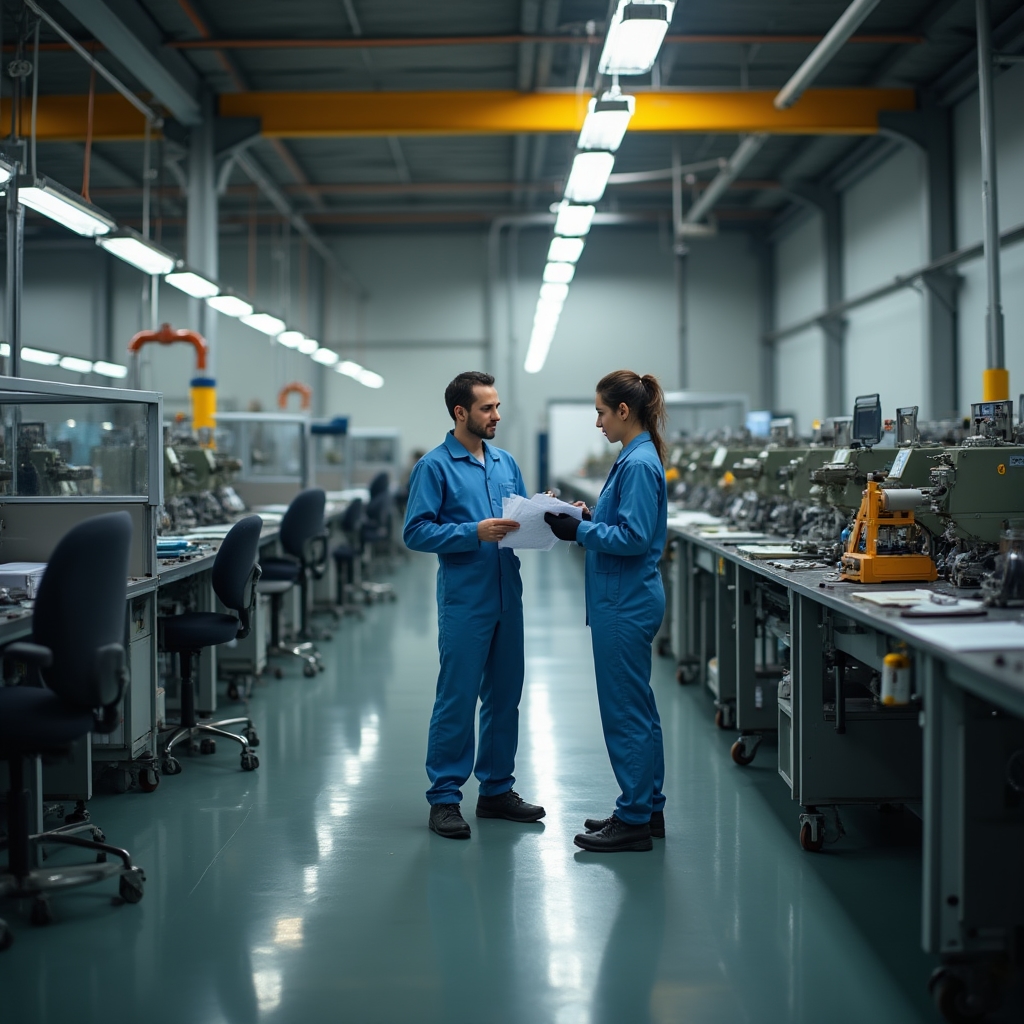
Information gaps between shift changes, informal verbal instructions that don't get documented, rework caused by unclear specifications received from the commercial team. We trace the full information chain from order to production.
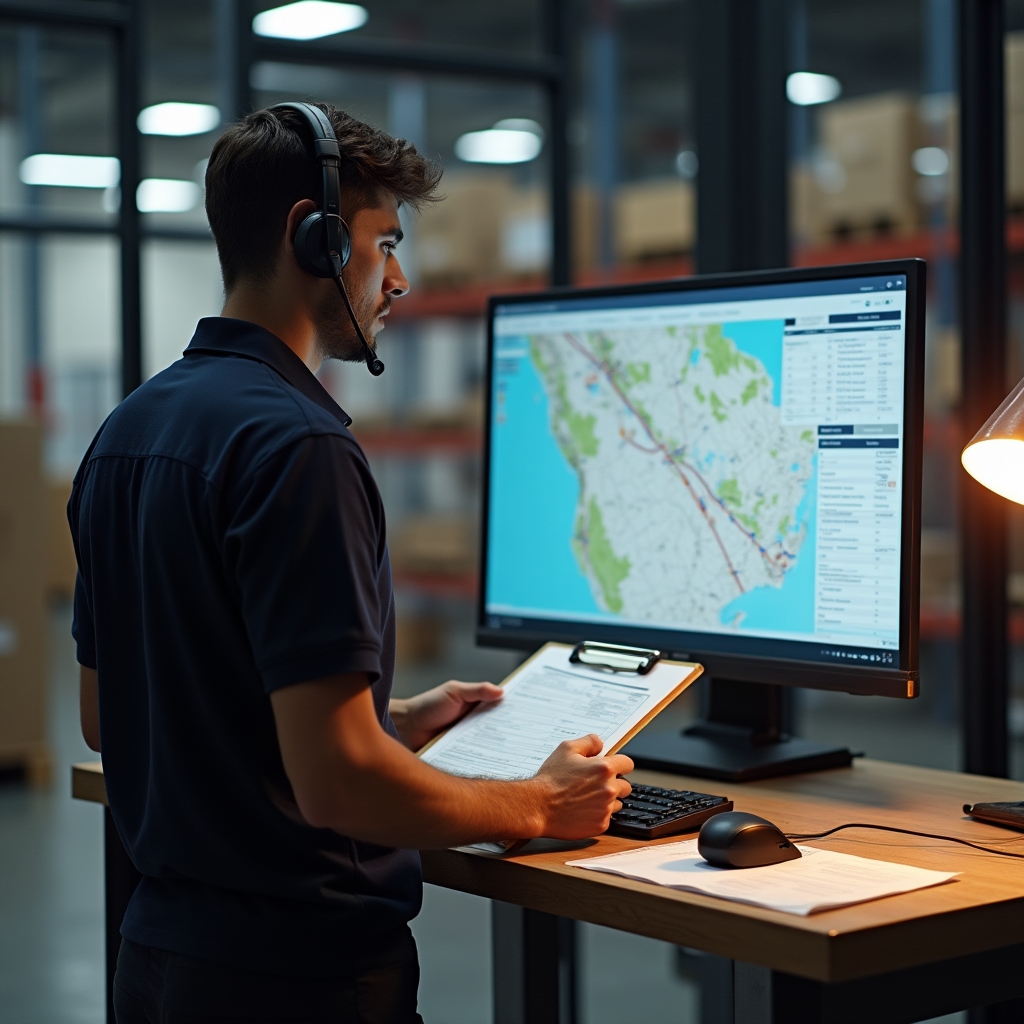
Dispatch processes that depend on approvals from people who aren't always available. Route information entered in one system and re-entered in another. Drivers waiting because paperwork isn't ready. We map every step of the outbound flow.

Inspection steps that create bottlenecks because they're sequential when they could be parallel. Non-conformance records that require multiple sign-offs before corrective action can begin. We identify where quality processes slow production unnecessarily.
Industrial observation requires time on the floor, not just in the office. We follow the actual path of work — from raw material receipt to finished goods dispatch.
What gets communicated, what gets lost, and what gets rediscovered during shift changes. We observe multiple handoffs across different days.
Waiting time caused by materials not being where they're needed when they're needed. Search time, verification time, and re-ordering cycles that could be simplified.
Forms, work orders, and delivery notes that travel physically when the information they carry could move digitally — using systems the company already owns.
The informal channels (calls, WhatsApp, walking across the facility) that substitute for structured information flows. Each substitution is a sign of a gap in the formal system.
Industrial operations run on schedules, shifts, and cycles that differ from office environments. Our observation methodology adapts to this. We plan observation windows to cover the full operational cycle — including shift starts, peak production periods, and dispatch windows.
We also pay particular attention to the boundary between the production floor and the administrative office — a zone where information often gets lost, delayed, or transformed in ways that create downstream problems.
The output is the same as in any Finvando engagement: a visual map of lost time, prioritized by impact, with concrete proposals your team can act on without needing to buy new software or restructure your organization.
Discuss Your OperationTell us about your production context and we'll explain how the three-day observation would be structured for your specific environment.
Contact Us